

A 2025 study supports the Pain Overlap Theory which is the idea that social and physical pain share common neural pathways. In other words, when we feel emotionally hurt or excluded, the same brain systems that process physical pain are activated, amplifying our overall pain experience.
“We found that socially-excluded mice display more severe responses to physical pain” – Tye et al 2025
(Can you even imagine how they did this study? The poor mice!)
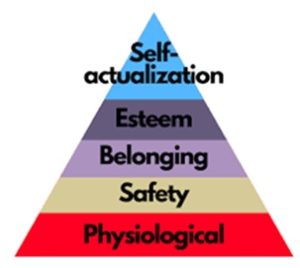
longing, after all, is third on Maslow’s hierarchy of needs… right after food, water, and safety. When that sense of belonging is threatened, the body becomes more sensitive to all forms of danger; whether it’s a sprained ankle or chronic back pain.
The study also suggests that the Fear of Missing Out (FOMO) heightens pain perception. Think about it, when you feel left out of a meaningful social experience, your nervous system senses a threat to survival. Be
And here’s something we often overlook: living with a disability can create the same sense of exclusion. When pain or injury limits participation in work, play, or social activities, it’s a form of FOMO… a feeling of being left out of life itself. Clinically, we’ve all seen it: the more pain, the more disability; the more disability, the deeper the pain experience.
So perhaps our focus shouldn’t only be on managing or eliminating pain, but on restoring belonging. Encouraging people to reconnect… through a choir, a book club, a religious group, or even coffee with a friend… these suggestions may be one of the most effective treatments we can offer.
We only have one nervous system. Whether you feel socially excludes or get kicked in the shin, both activate pain. The difference is that the shin pain heals as the tissue repairs, but social pain doesn’t fade with time. It lingers. And unless it’s addressed, through connection, inclusion, and belonging, true healing from chronic pain may not be possible.